
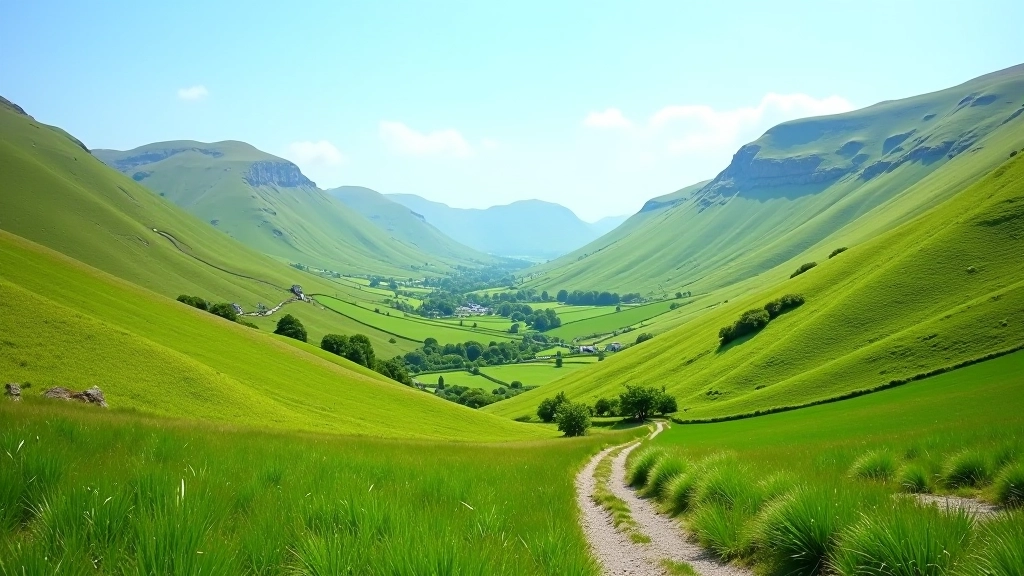
Kerry Day Hike — Stunning Coastal Views
A 5-kilometer walk along Kerry's coastline with incredible ocean views. Mostly level with just one small hill. Worth it for the scenery alone.
Why This Walk Works for Everyone
If you've been thinking about hiking but worried it'll be too strenuous, this route changes everything. We're not talking about a grueling mountain trek here — it's a straightforward coastal walk that rewards you with some of the best views in Ireland.
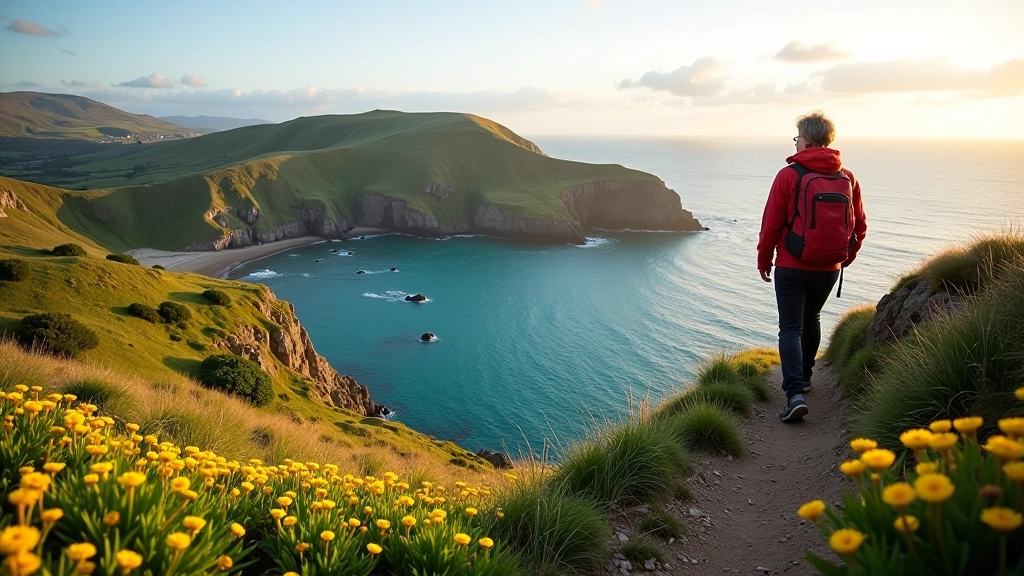
The path follows the cliff edge for most of the route. You'll get ocean views constantly. There's one small hill climb near the midpoint, but it's gentle and the payoff is worth every step. Plus, you can turn back anytime without missing out on the good stuff.
Most hikers complete this walk in 2 to 2.5 hours. That's plenty of time for photos, rest breaks, and just soaking in the landscape. We've guided hundreds of people 50+ through this route, and they consistently say it's their favorite introduction to hiking.
The Route — What You'll Experience
The walk starts at the small parking area near Doagh. From there, you'll follow a well-maintained trail that hugs the coastline. The path is clearly marked with occasional stone cairns, and you won't find yourself second-guessing which way to go.
The first kilometer is relatively flat — perfect for warming up. You'll pass small tidal pools and rocky outcrops. This is where you'll see seabirds: fulmars, razorbills, and if you're lucky, puffins nesting on the cliff face. Don't expect to keep a fast pace here. You'll want to stop constantly for photos.
Around the 2.5-kilometer mark, you'll reach the only significant elevation gain. It's a 60-meter climb over about 400 meters of walking. Steep? Not really. Tiring? Only if you've been rushing. Take your time, use your trekking poles, and you'll reach the top feeling good.
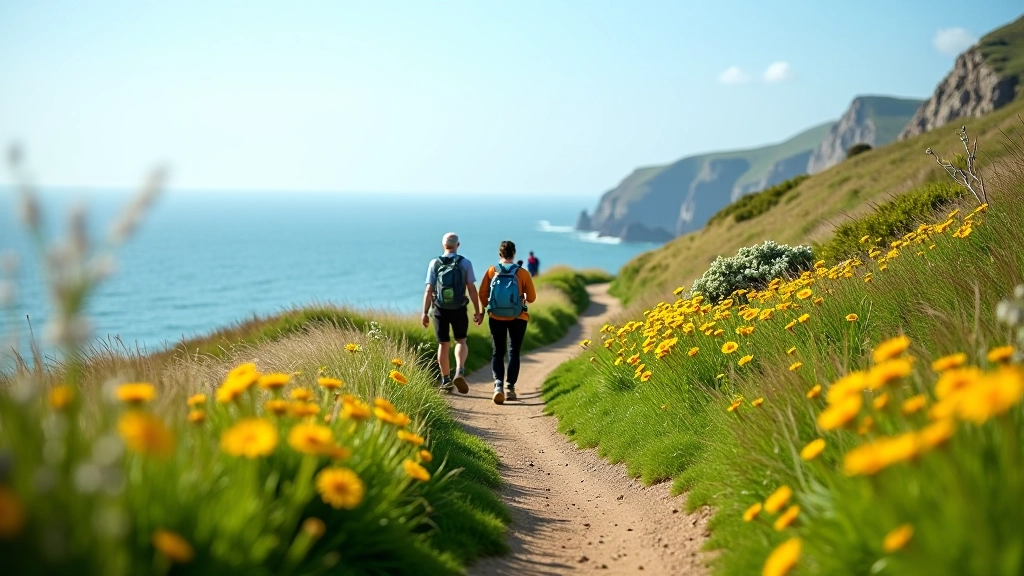
The final section descends gradually back toward the start. You'll walk through coastal grassland with wildflowers in spring and summer. The views open up to show the full sweep of the bay. It's the perfect ending — you finish feeling accomplished, not exhausted.
Getting Ready — What You Actually Need
Footwear
Waterproof hiking boots with ankle support. The ground stays muddy even after rain, and proper grip matters on sloped sections. Your regular trainers won't cut it.
Water & Snacks
Bring 1.5 to 2 liters of water. Energy bars, sandwiches, or trail mix work. There are no shops on the route, so pack everything beforehand. You'll need fuel for the uphill section.
Weather Layers
Wind off the ocean can be fierce. Wear a moisture-wicking base layer, a fleece mid-layer, and a windproof jacket. Conditions change fast in Kerry. Dress for cold and wet, even if it's sunny when you start.
Sun Protection
Sunscreen (SPF 30+), sunglasses, and a hat. The reflection off the ocean amplifies UV exposure. Many hikers underestimate this and end up sunburned despite cool temperatures.
Navigation
Download a map or bring a paper copy. Signal can be spotty. Your phone's GPS works without cell service, so that's your backup. Trails are marked, but it's good to verify progress.
Trekking Poles
Optional but recommended. They reduce strain on your knees on the descent and provide stability on uneven terrain. Adjustable poles take up minimal pack space.


Pro Tips for a Better Experience
1
Start Early, Finish Early
Begin by 9 AM. You'll have the best light for photos, avoid afternoon crowds, and be off the trail before sunset. The parking area gets busy by 11 AM on weekends.
2
Pace Yourself on the Climb
The hill looks intimidating from below. It's not. Walk slowly, take breaks if needed, use your poles. You'll reach the top without exhaustion. Rushing creates unnecessary fatigue.
3
Respect the Edge
The cliffs are dramatic and tempting for photos. Stay well back from the edge, especially on windy days. One slip is serious — this isn't a place for risky poses.
4
Check Tide Times
Most of the walk isn't tide-dependent, but check before you go. High tides can make one small beach section impassable. It's a minor detour if needed, but good to know.
Explore More Walks
Important Information
This article provides educational information about hiking routes in Kerry. Conditions vary by season, weather, and personal fitness level. Before undertaking any walk, assess your own physical capabilities and current health status. Weather in coastal regions changes rapidly — check forecasts and adjust plans accordingly. Stay on marked trails, respect private property, and follow Leave No Trace principles. If you have health concerns, consult with a healthcare provider before starting any new physical activity. This information is intended as guidance, not as a substitute for professional advice or proper preparation.
Ready for the Walk?
The Kerry coastal route isn't just another hiking trail. It's proof that you don't need to be a hardcore mountaineer to experience something genuinely spectacular. You'll walk among cliffs that drop straight into the Atlantic, see wildlife you've never spotted before, and finish the day feeling accomplished without being wrecked.
We've guided beginners through this route countless times. Most people finish saying the same thing: "I didn't think I could do this." They absolutely can. And you can too.
The walk works best between April and October when weather's more stable and days are longer. Spring brings wildflowers. Summer offers warm evenings. Autumn gives you clearer skies and fewer crowds. Pick your season, get your gear sorted, and go experience one of Ireland's best coastal walks.