Glendalough Valley Loop — A Gentle Introduction
A 6-kilometer loop combining two beautiful lakes with valley walking. Mostly flat terrain, takes about 3 hours at a relaxed pace.
Why Glendalough Works for Everyone
Glendalough isn't just another hiking destination — it's proof that you don't need serious elevation gain to have a memorable day in the mountains. The valley sits in County Wicklow, about an hour from Dublin, and it's been a sacred spot for over 1,400 years. Today, it's one of Ireland's most accessible yet genuinely beautiful walks.
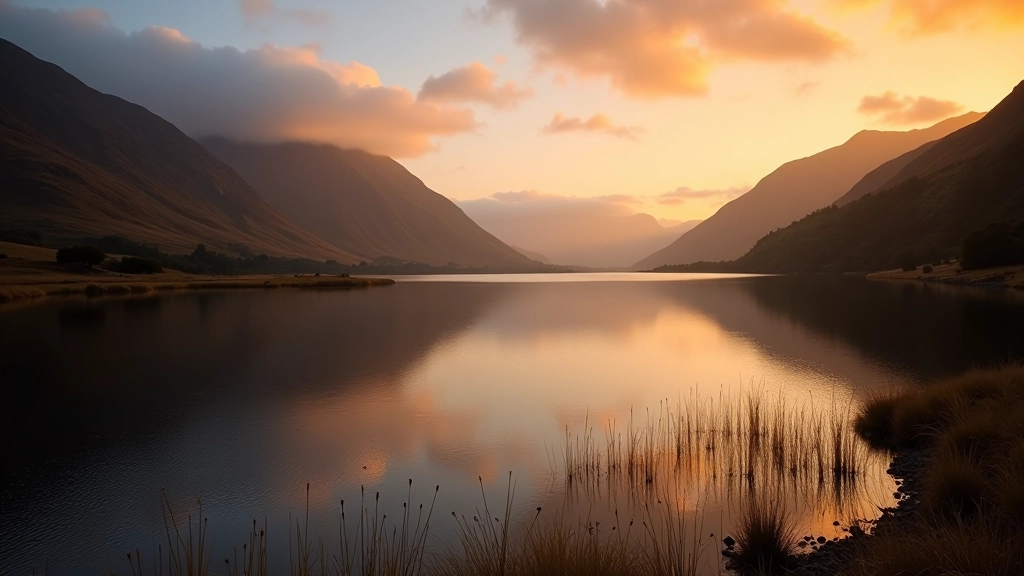
What makes this loop special is the variety packed into a manageable distance. You're walking alongside two glacial lakes, through ancient monastery grounds, and among forests that feel completely removed from the bustle of everyday life. There's no scrambling, no steep climbs that'll leave your knees angry — just consistent, gentle walking on well-maintained paths.
The Route: What You'll Actually Walk
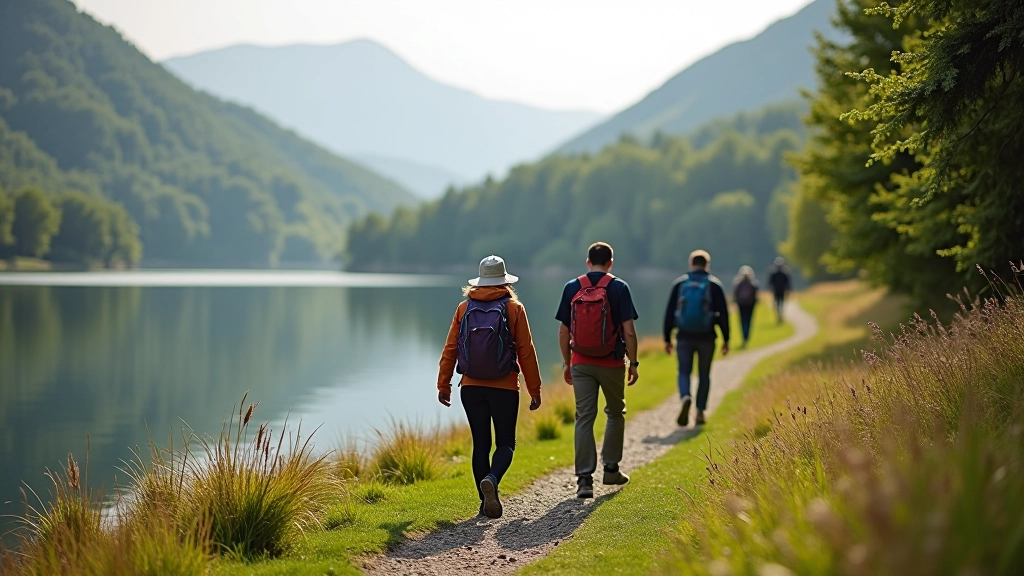
The loop starts at the visitor center car park, which is genuinely spacious and free. From there, you'll head down toward the lower lake — that's your first proper view, and it's worth pausing for. The path hugs the water's edge for about 1.5 kilometers, wide enough that you're never squeezed between other walkers.
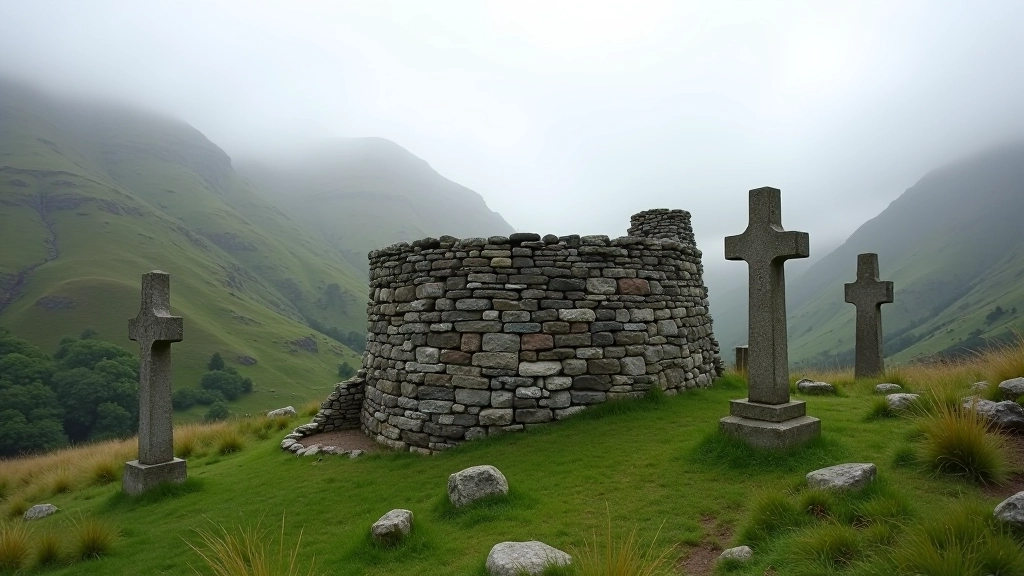
Around the lower lake, you'll pass the monastic site — old churches, a round tower, and stone crosses scattered across the grass. You don't need to be historically minded to find it compelling. It's just there, weathered and quiet, reminding you that people have been walking this valley for centuries.
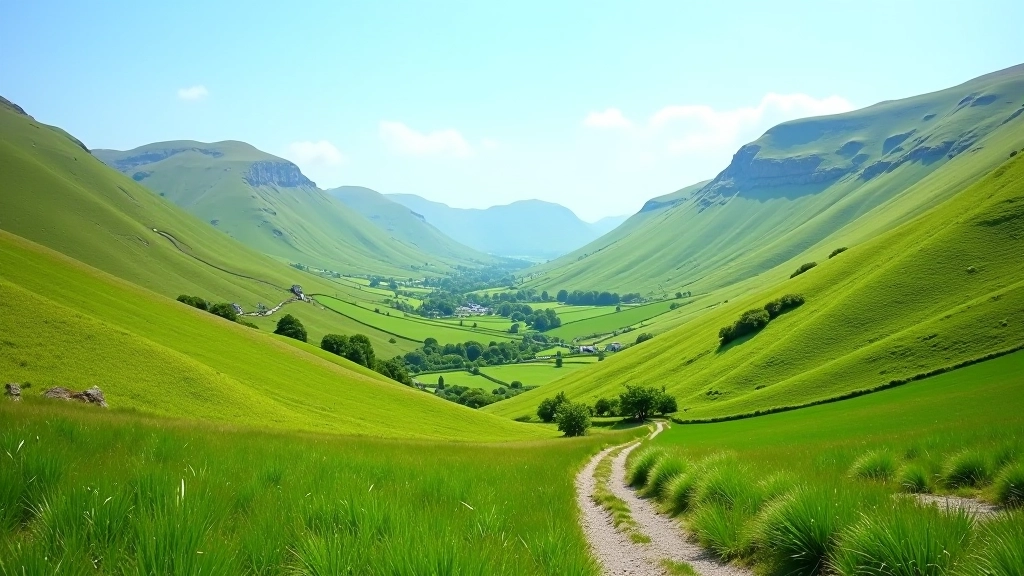
The middle section climbs gradually toward the upper lake. This is where the effort notches up slightly, but "slightly" is the operative word — we're talking maybe a 100-meter elevation gain over 1 kilometer. The trees get thicker here, which means shade in summer and shelter from wind pretty much any season.
Key Facts
- Distance: 6 kilometers
- Duration: 3 hours at relaxed pace
- Elevation gain: ~150 meters total
- Surface: Mostly gravel paths, some stone
- Starting point: Glendalough Visitor Centre car park
Pacing and Timing That Actually Works
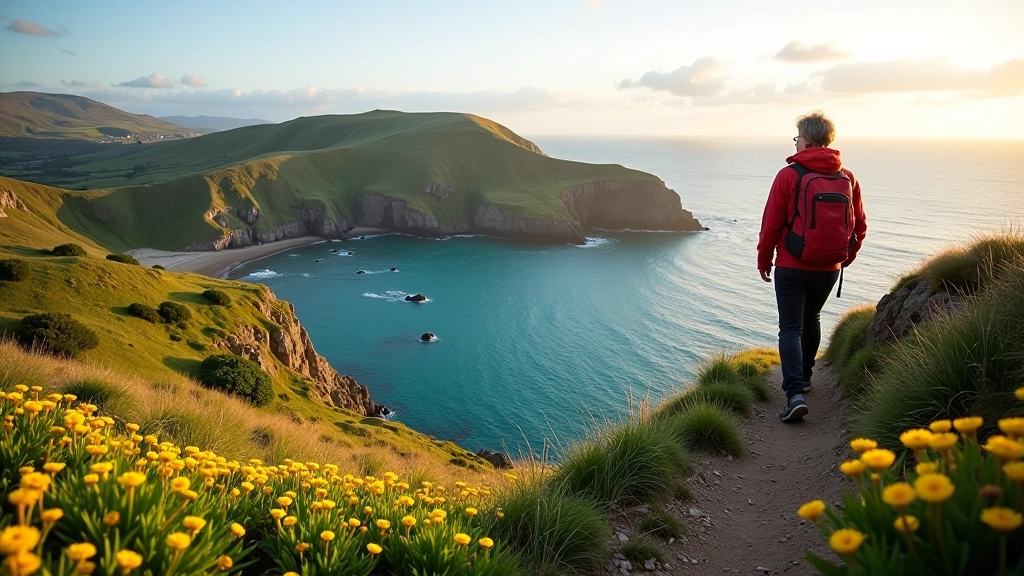
Here's what people often get wrong about this walk: they rush it. The official time is listed as 2 hours, which is fine if you're power-walking, but that's not what this place is for. You're here to notice things — the way light hits the water, the quiet, the fact that your knees aren't screaming at you.
We recommend building in 30-45 minutes of pause time. That's lunch by the upper lake, sitting on a rock, watching the mountains. It's not wasted time — it's the whole point. Most people who do this walk comfortably clock in around 3 to 3.5 hours total.
Start early if you can — 9 or 9:30 a.m. — and you'll avoid the afternoon crowds. The visitor center opens at 9:30 a.m., so you'll need to be organized, but it's worth it for a peaceful morning in the valley.
More Walks Worth Exploring
What to Bring and How to Prepare
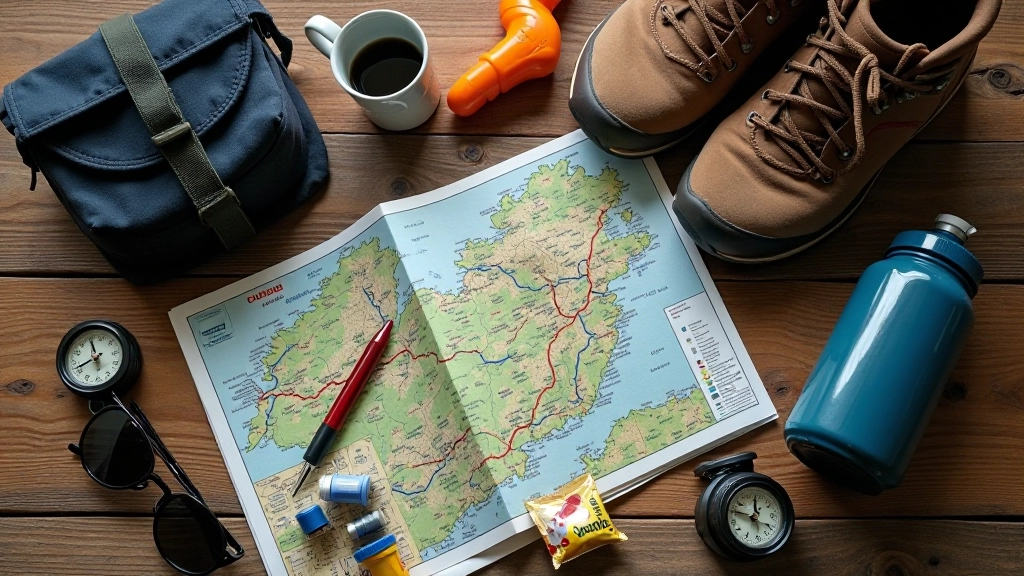
You don't need specialized gear for this walk. Comfortable hiking shoes with decent grip are essential — the paths can be muddy even when it hasn't rained recently, because Ireland. A light waterproof jacket is non-negotiable. The weather can shift from clear to drizzly within an hour, and you'll want to stay dry without overheating.
Pack more water than you think you'll need. There's a café at the visitor center, but once you're on the loop, there's nowhere to refill. A small backpack with snacks, sunscreen, and maybe a hat or sunglasses completes the basics. If your knees or hips are sensitive, consider walking poles — they're genuinely useful, not just for show.
Practical Tips
Parking:
Visitor center car park is free and holds about 150 cars. Arrives full by 11 a.m. on weekends.
Facilities:
Toilets at visitor center. Café serves light snacks and coffee. No facilities on the trail itself.
Weather:
Irish weather is unpredictable. Bring layers even if the forecast looks clear.
Best Time:
April through October. July-August are busiest. May and September offer fewer crowds with similar weather.

Important Information
This guide is provided for informational purposes to help you understand what to expect from the Glendalough Valley Loop. While we've described the route, timing, and conditions based on typical experiences, individual circumstances vary. Weather conditions, personal fitness levels, and trail conditions can change. Always check current weather forecasts, trail updates, and your own physical readiness before heading out. If you have health concerns or mobility issues, consult with your healthcare provider before undertaking any hike. The route described here is accurate as of May 2026, but trails and facilities can change — verify current conditions with the Glendalough Visitor Centre before your visit.
Why This Walk Matters
Glendalough isn't famous because it's hard. It's famous because it works. It's been drawing people for over a thousand years, and that hasn't changed. What's changed is that now you can experience it without needing to be a serious hillwalker.
The loop gives you everything: a genuine mountain landscape, a sense of history, manageable walking, and genuine quiet. You'll come back with better knees than you feared, stories about the light on the water, and probably a desire to explore more of what Ireland has to offer. That's not a small thing.